

What is CIAM?Customer identity and access management explained
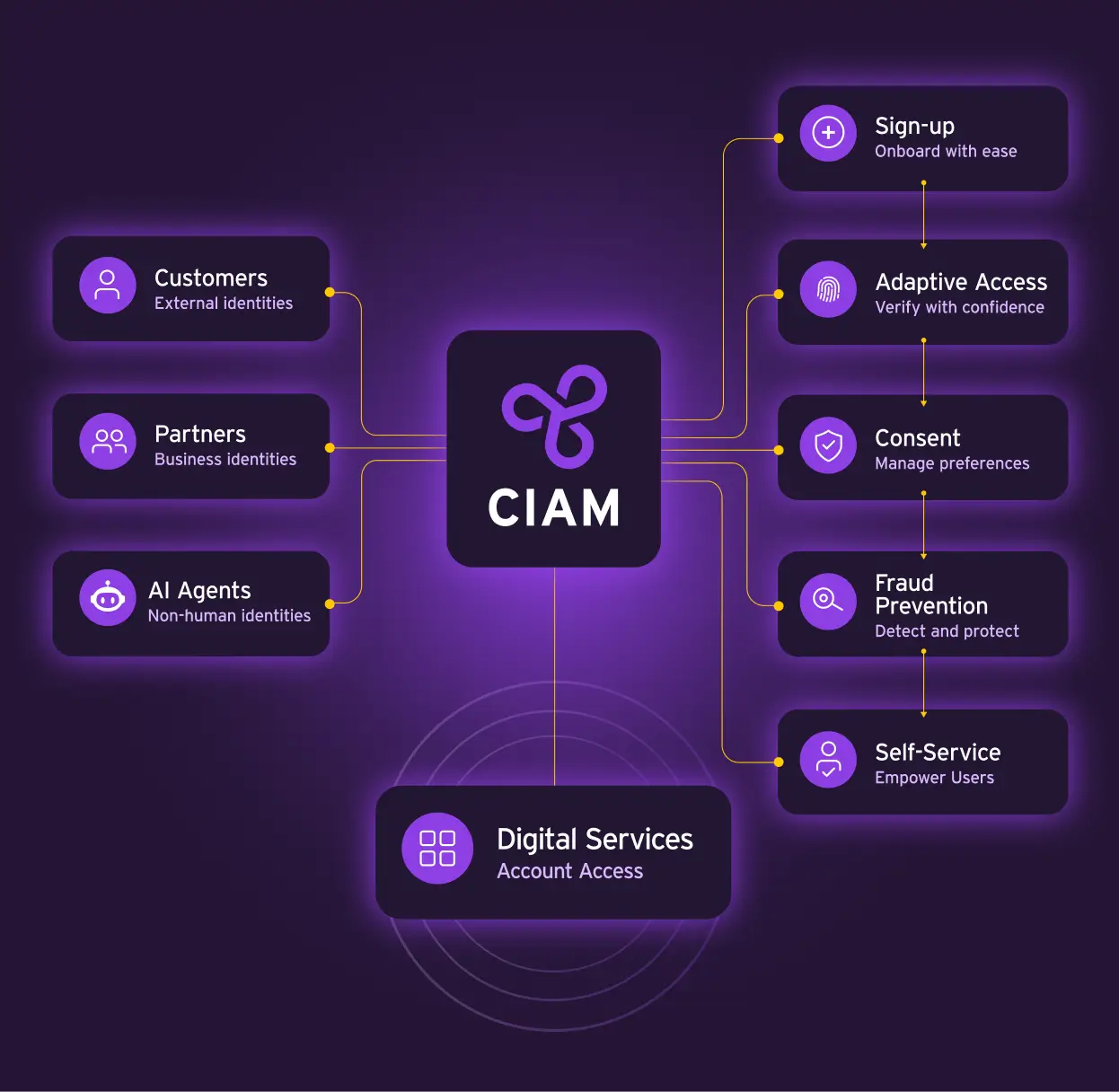
Customer Identity and Access Management (CIAM) is the software category that governs how customers, partners, and the AI agents acting on their behalf access digital services. It manages the entire identity lifecycle, so customers can sign up, stay secure, and control their own accounts without friction.
Unlike workforce identity tools designed for employees, CIAM is built for scale and customer experience. It must handle millions of external identities, deliver low-friction sign-in journeys, and meet regional privacy regulations, all without compromising security.
What does CIAM stand for?
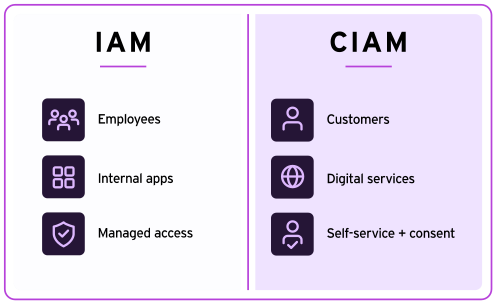
CIAM stands for Customer Identity and Access Management. The "customer" distinction is critical: it separates this category from traditional IAM (Identity and Access Management), which is primarily designed for internal employees and IT systems.
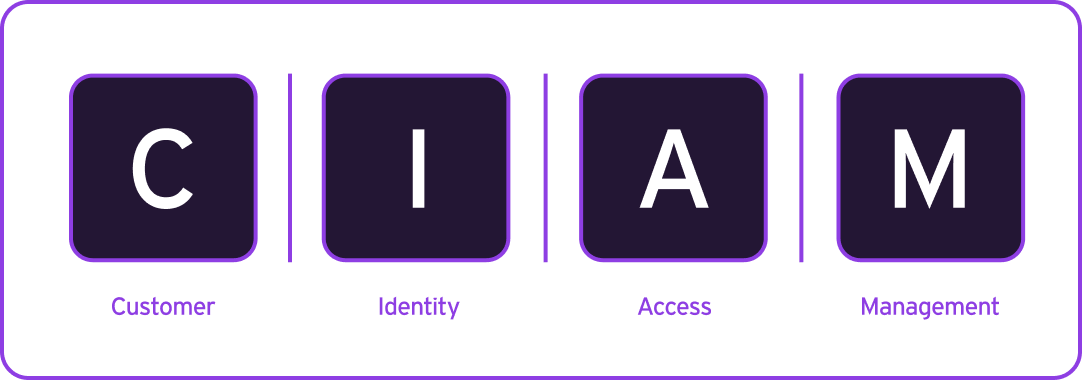
The full form, Customer Identity and Access Management, reflects its scope: managing who your customers and partners are, how they prove that identity, and what they are permitted to access across your digital properties.
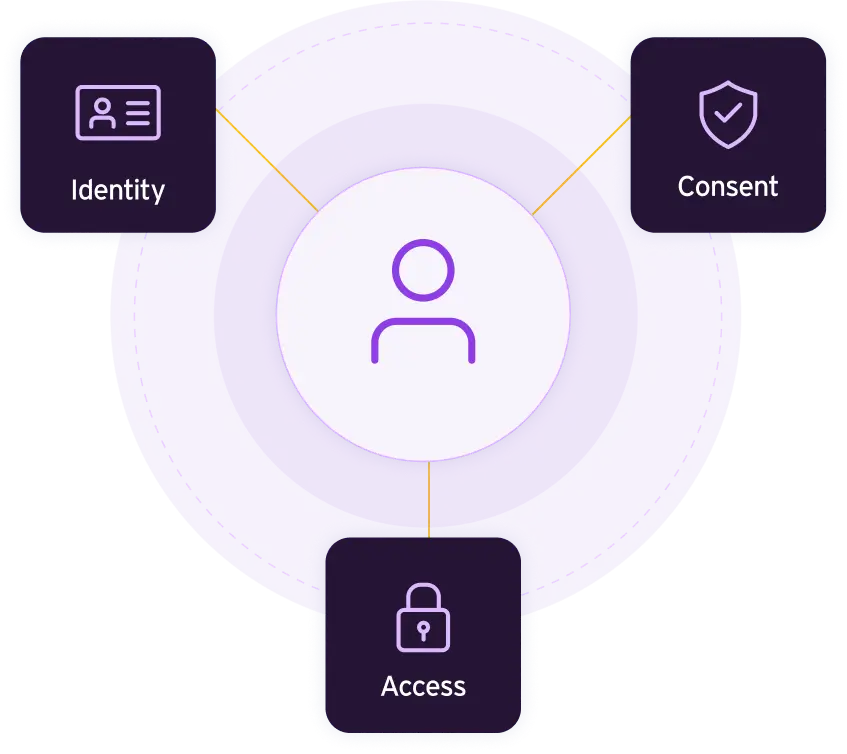
The term entered broad use as organizations recognized that consumer-facing identity had fundamentally different requirements from workforce identity. Customer accounts scale to millions, customer experience directly affects revenue, and regulatory requirements around consent and data residency are far more complex than those governing employee accounts.
How does CIAM work?
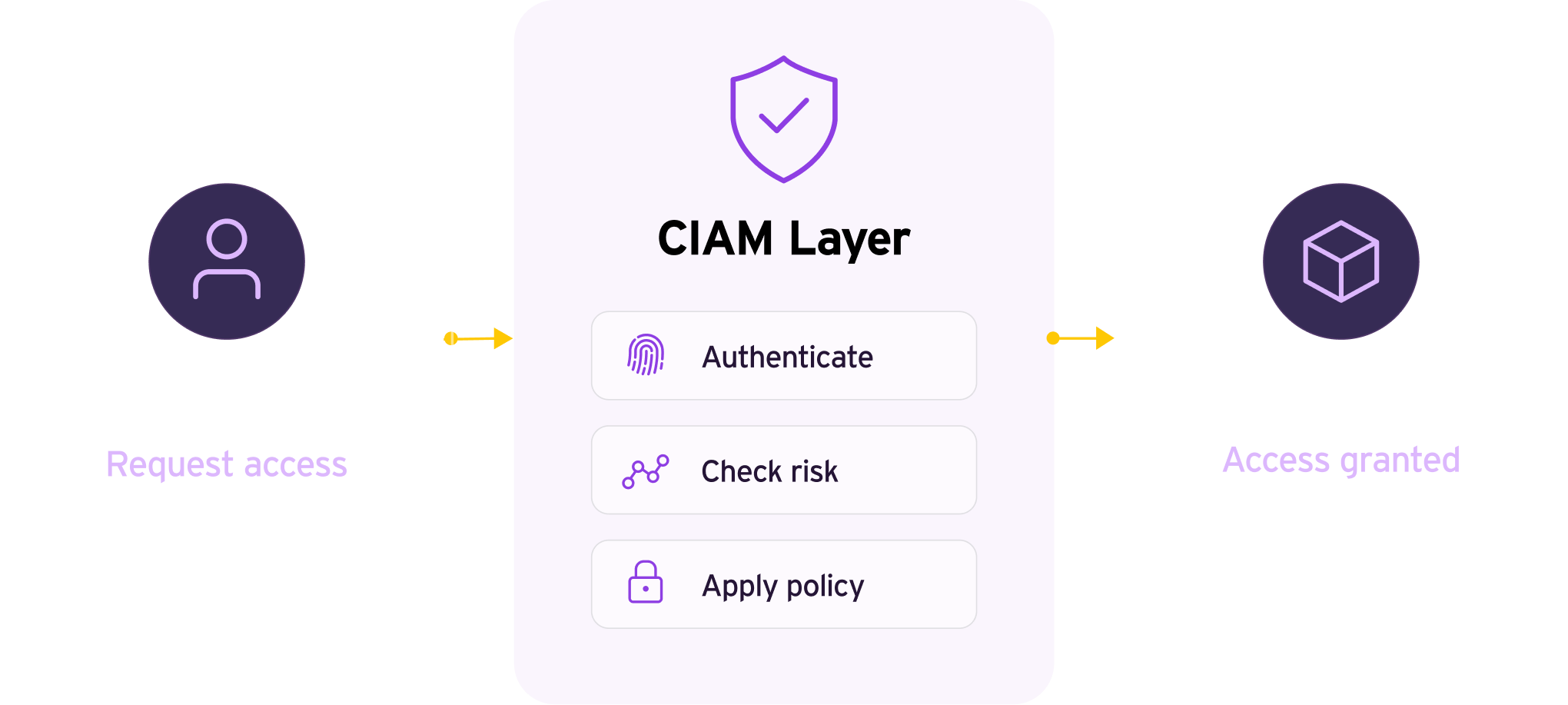
A CIAM solution sits between your customers and your applications. Every time a customer registers, signs in, updates a profile, or interacts with a protected service, the CIAM layer manages that interaction. Here is the basic flow:
Branded user entry
A customer arrives at a registration or sign-in page. The CIAM solution renders the experience, applying your branding and configured journey logic.
Identity authentication
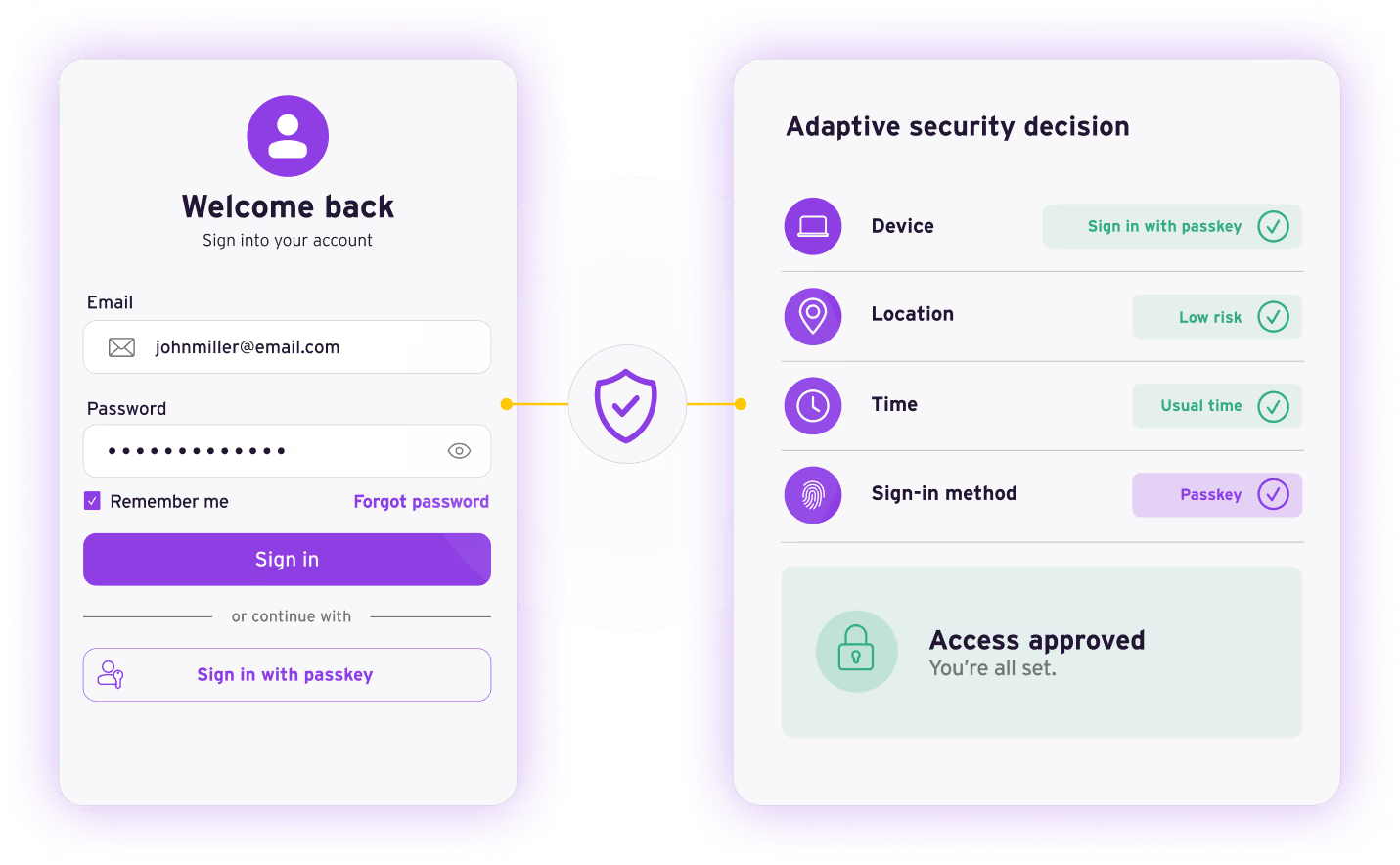
The customer submits login credentials or chooses a social login option. The CIAM layer authenticates the identity and evaluates risk signals in real time.
Adaptive security checks
Based on configured policies, the system may prompt for additional factors such as adaptive multi-factor authentication (MFA), capture consent, or trigger identity verification steps
Secure access
Once authenticated, the customer is granted access to the appropriate applications and data.
Identity synchronization
Identity events such as profile updates, password changes, and consent modifications are captured and synchronized to downstream systems.
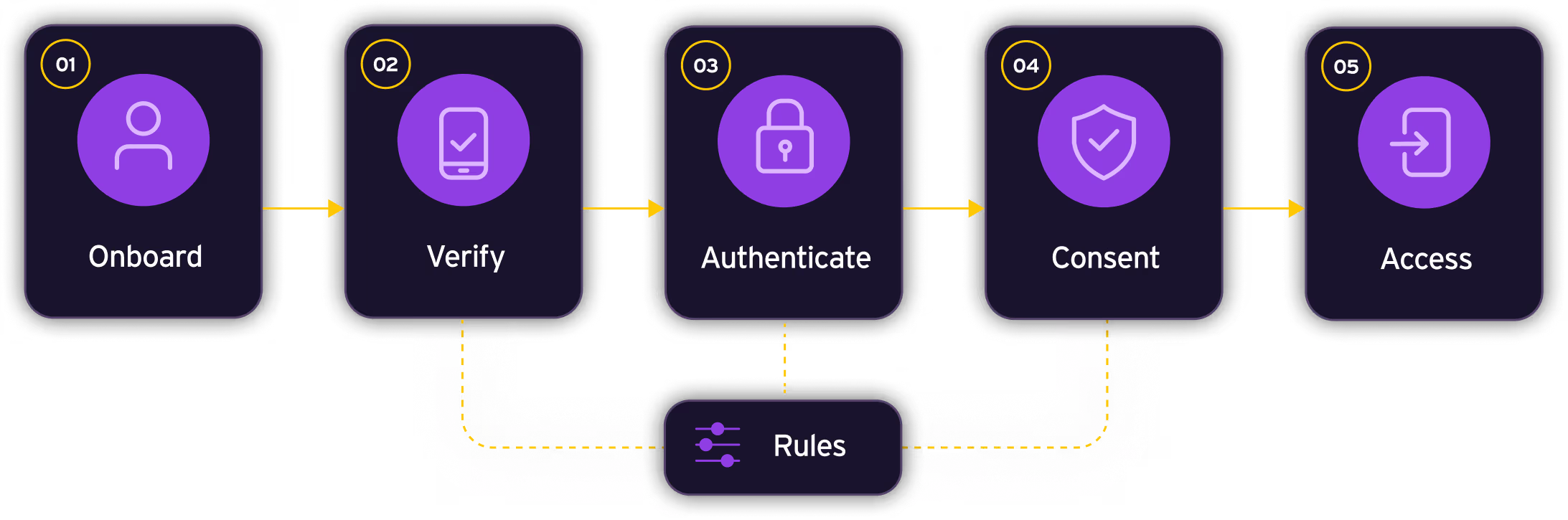
Modern CIAM solutions manage this flow through identity orchestration
The ability to design and adapt these journeys through configuration, custom code, or both. Teams can move fast on standard patterns and go deeper where their product requires it.
Difference between CIAM and IAM
IAM (Identity and Access Management) is the broader category that encompasses all identity software, including tools for managing employees, IT administrators, and privileged access. CIAM is a sub-category within IAM focused specifically on external, customer-facing identity.
Workforce IAM
CIAM
Primary users
Employees, contractors, IT admins
Customers, partners, residents, external users
Scale
Thousands to tens of thousands
Millions to tens of millions of identities
UX priority
Functional, security-first
Brand-critical, conversion-focused, low friction
Compliance focus
HR policy, SOX, access governance
GDPR, CCPA, data residency, consent management
Business impact
Primarily an operational and security function
Directly affects acquisition, conversion, and retention
Revenue impact
Primarily a cost and risk management function; not directly tied to revenue generation
Enables new revenue streams through personalization, loyalty programs, step-up access for premium content, and federation with partner ecosystems
Customization model
IT-administered policy configuration; limited UX customization
Configurable journeys and UX; extensible via APIs and SDKs for custom logic
Common capabilities
SSO, provisioning, access reviews, privileged access
Registration, social login, adaptive MFA, fraud prevention, consent
Some vendors offer both CIAM and workforce IAM within a single product portfolio. Others specialize in one or the other. Organizations with complex customer identity requirements consistently find that purpose-built CIAM solutions outperform general-purpose IAM tools on scale, UX flexibility, compliance support, and increasingly, AI agent governance.
Core capabilities of a CIAM solution
CIAM solutions vary in scope, but the following capabilities appear across all mature implementations:
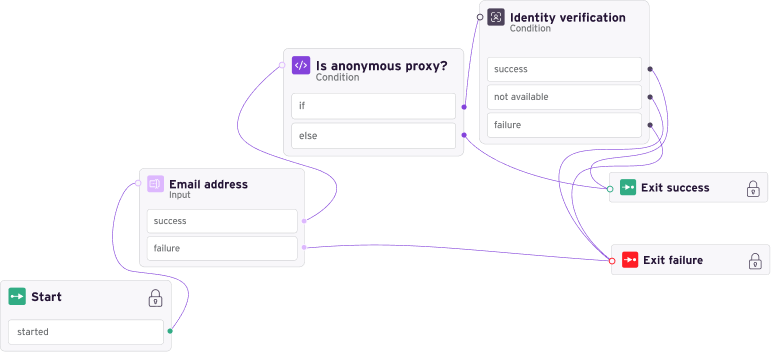
Identity orchestration
Keep your customers’ data in synch with your CRM, MarTech stack and custom apps.
Authentication and adaptive access
Sign in your way, passwords, passkeys, biometrics, social, or SSO, with risk-based step-up only when it's actually needed.
.png)
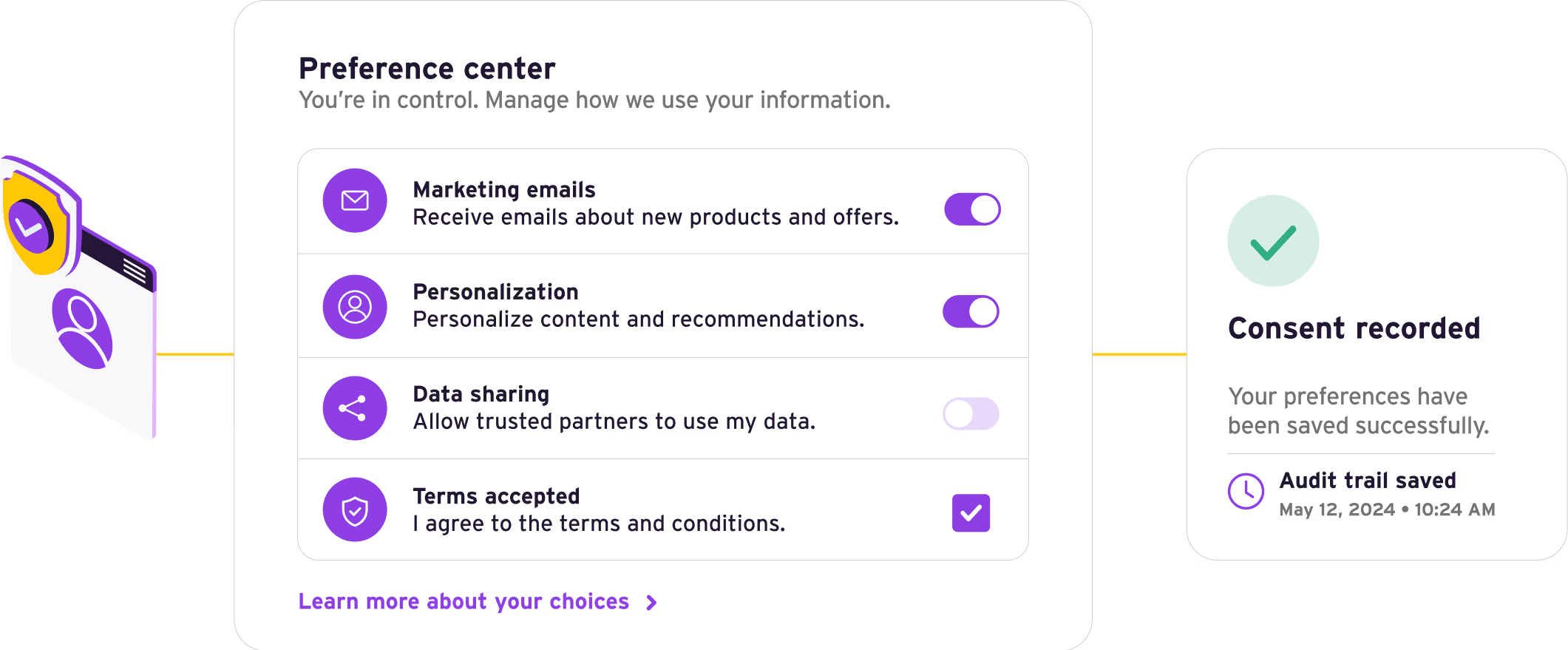
Consent management
Capture customer consents for marketing and privacy preferences, T&Cs, AI agents, and more.
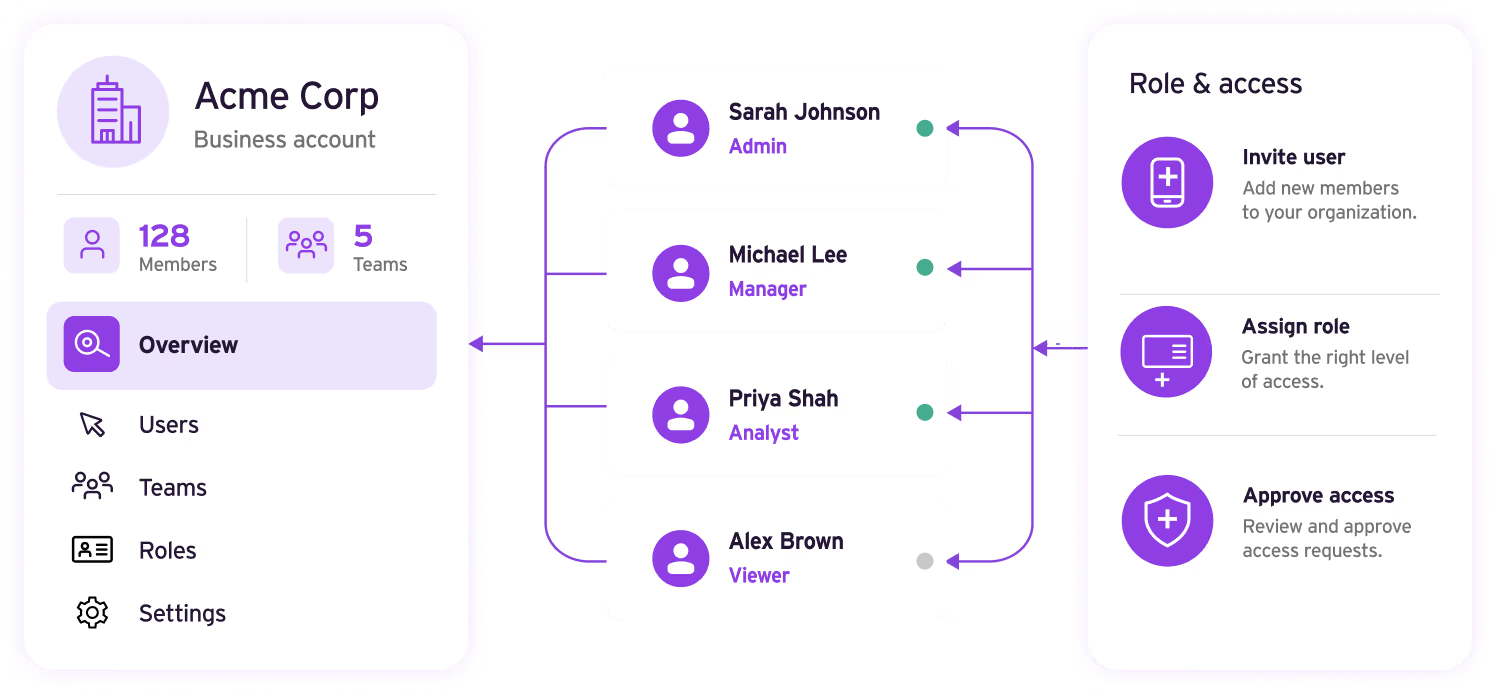
B2B identity and delegated administration
Let partner admins manage their own users and access, within guardrails you control.
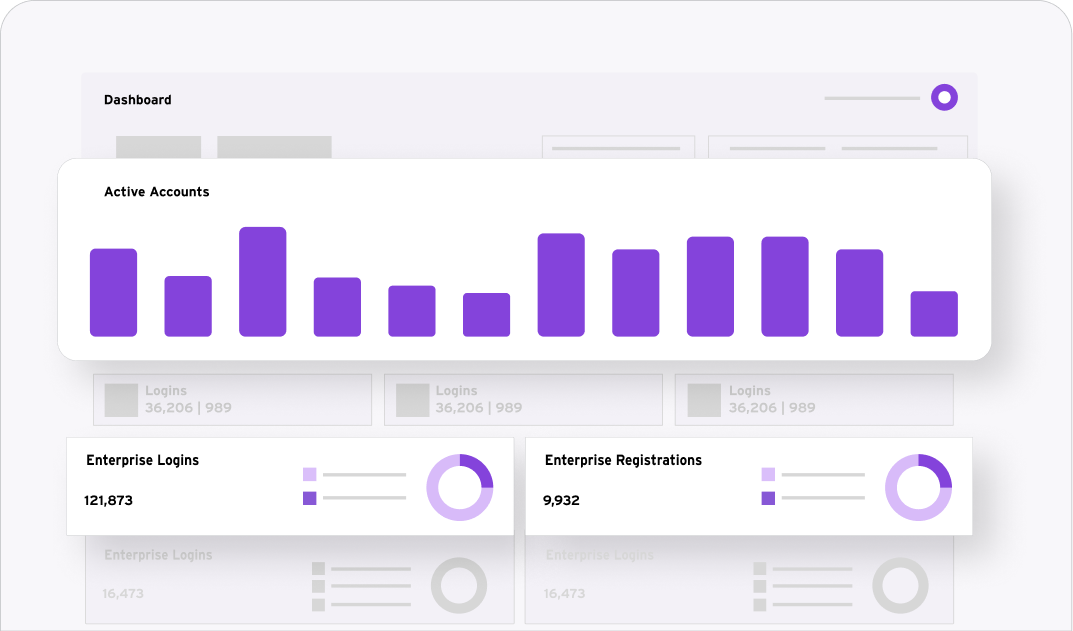
Customer insights
Optimize customer sign ups, sign-ins, and security in real-time to cut friction and lift conversion.
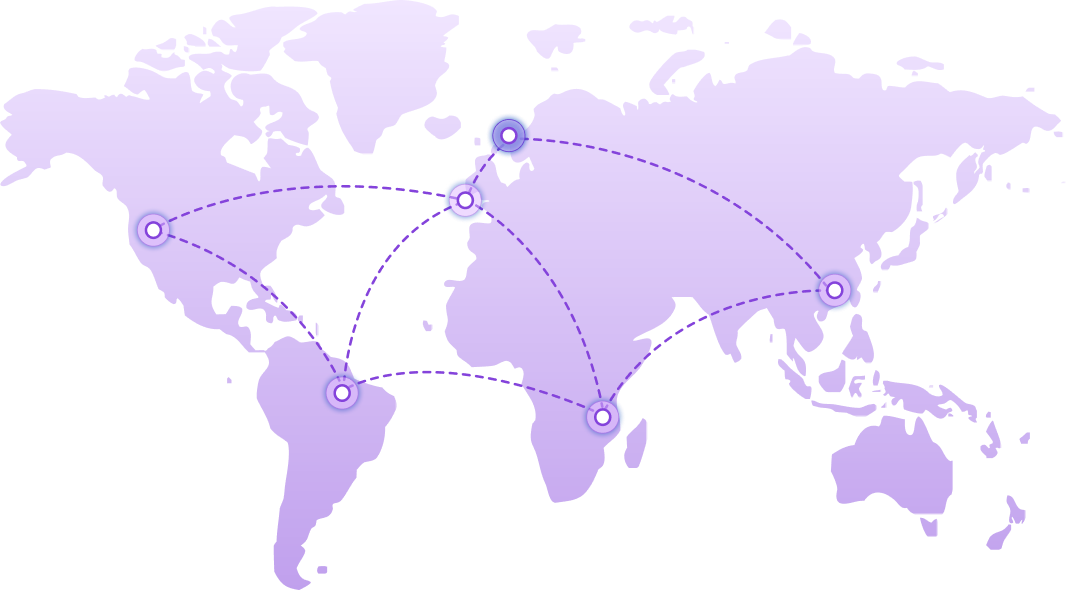
Data residency and privacy controls
Control where your customer data lives globally with built-in, single-instance isolation for stronger security and predictable performance.
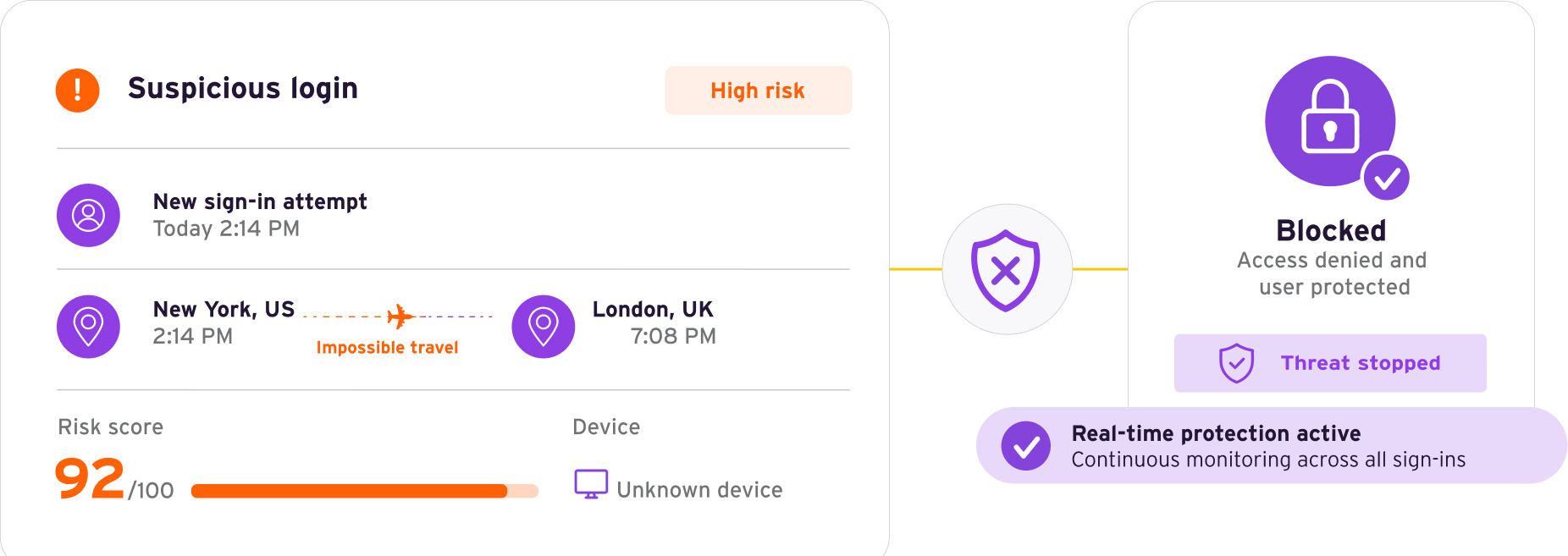
Fraud prevention
Catch bots and suspicious logins in real time, without adding friction to real customers.
AI agent governance
Control what AI agents can access, what they can do, and who they can act for.
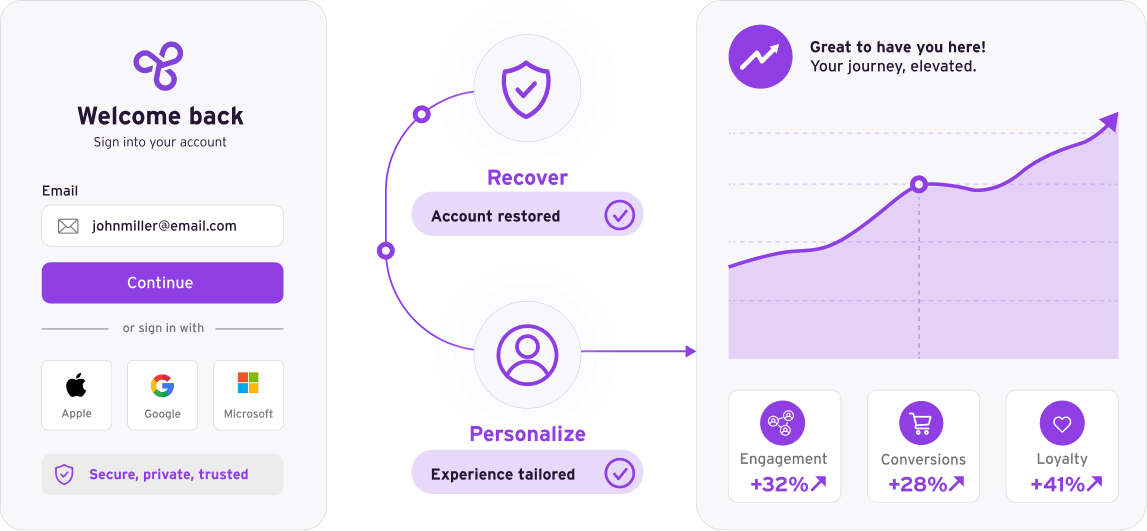
Self-service and recovery
Let customers manage their own accounts without opening a support ticket, including password and passkey resets, account recovery, and profile updates. Well-designed self-service reduces support volume while keeping recovery flows resistant to account takeover.
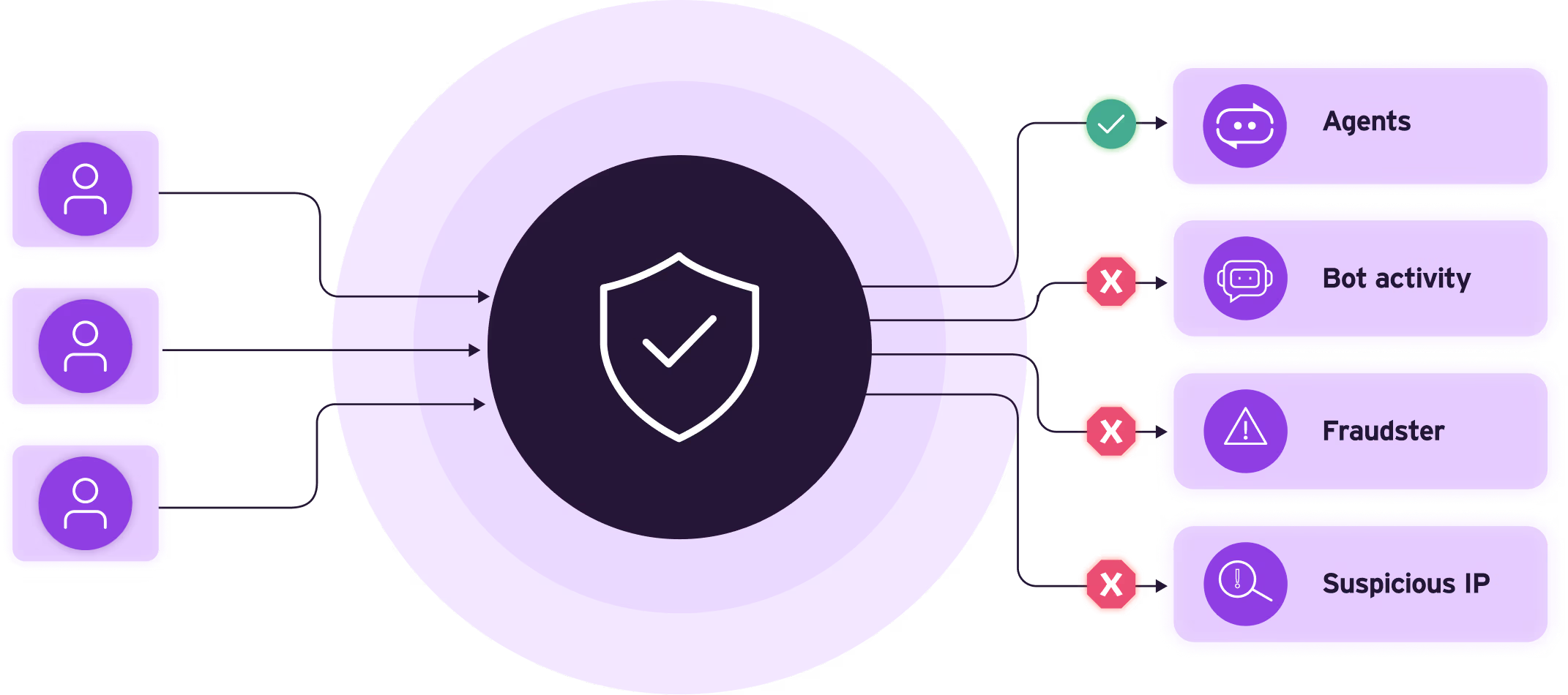









Why do businesses invest in CIAM?
Organizations adopt CIAM to create seamless customer experiences, strengthen account security, and meet evolving regulatory requirements.
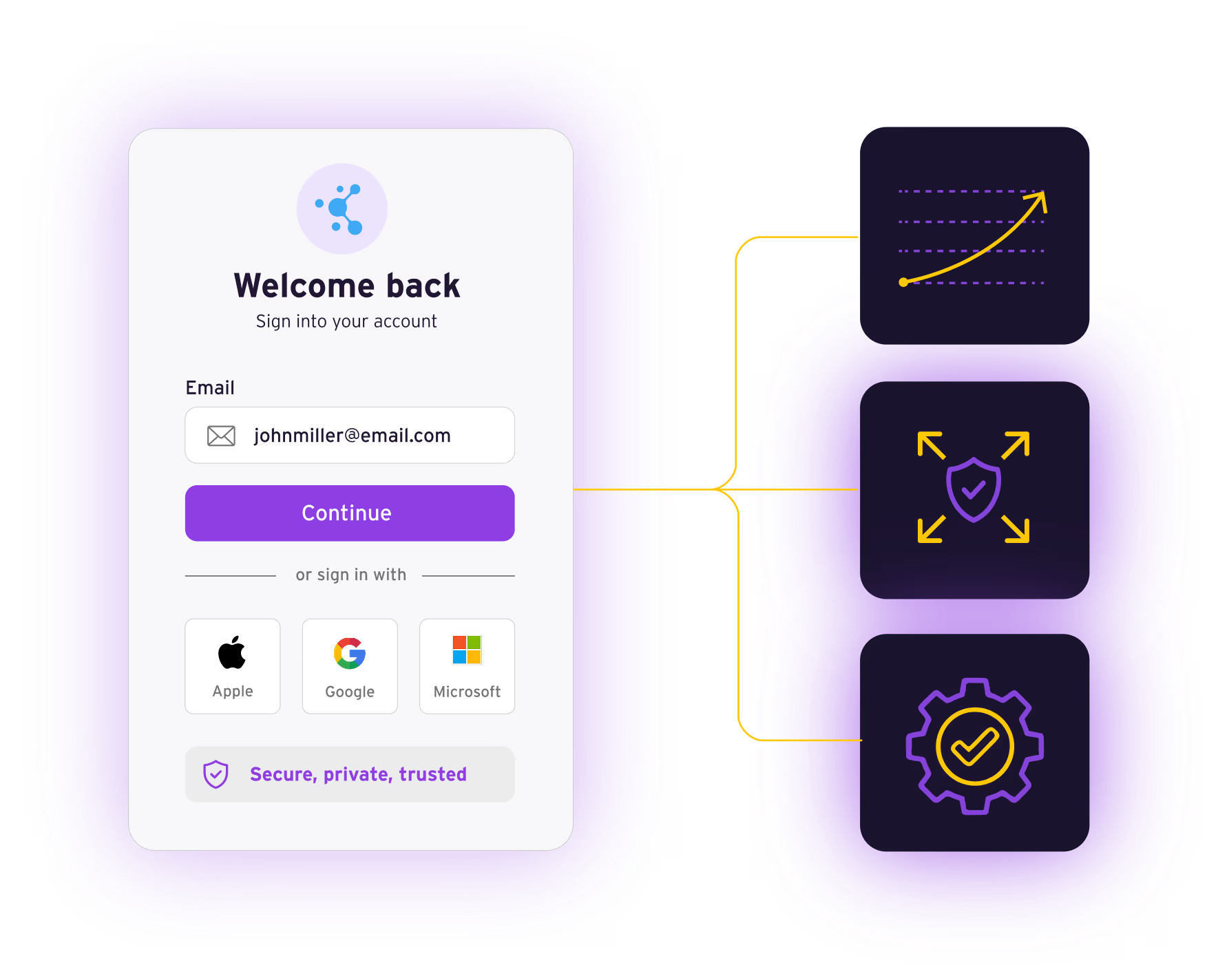
Customer experience and revenue
The sign-in and registration moment is the first interaction a customer has with your product. Friction at this stage, whether from a poor password experience, a broken social login, or an overly aggressive MFA challenge, translates directly into abandonment. With the right CIAM foundation:

Security at scale
Customer accounts are a primary attack surface. Credential stuffing, account takeover, and synthetic identity fraud are all increasingly automated and sophisticated. The right CIAM solution provides:
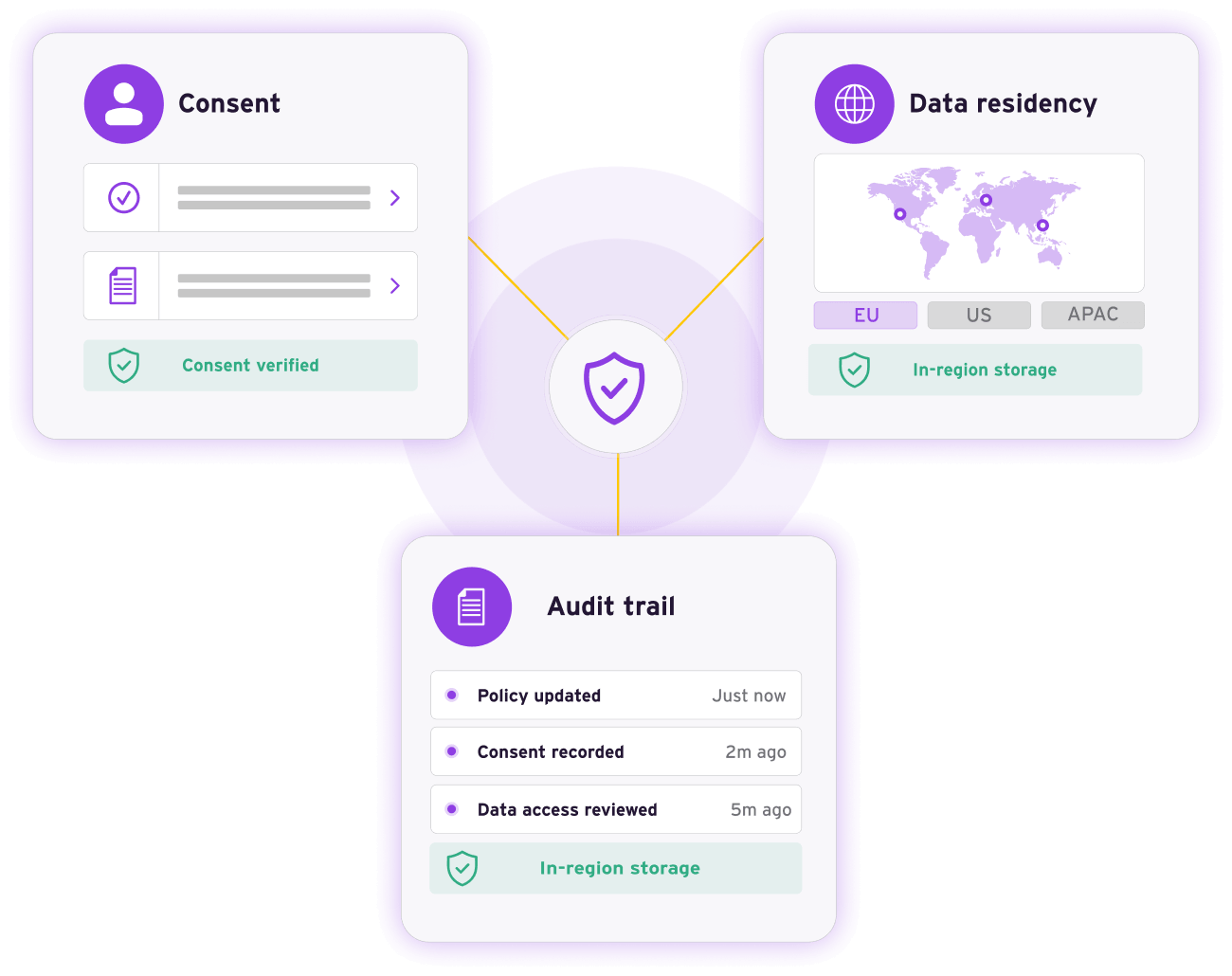
Regulatory compliance
A purpose-built CIAM solution is designed to support regulatory requirements as part of its core architecture, not as an afterthought.
CIAM and AI agents
Alongside human customers and partners, organizations are now deploying AI agents that act on behalf of customers within digital services. An AI agent that helps a customer manage an account, complete a transaction, or access a service is interacting with the same identity infrastructure that governs human sign-in.
Applied to human identity
Applied to AI agent identity
Authentication
Verify the customer is who they claim to be
Verify the agent and the human authorizing it
Authorization
Control what the customer can access
Control what actions the agent can perform
Consent management
Capture customer consent for data use
Ensure agents act only under approved permissions
Adaptive access
Detect risky sign-in behavior and step up
Detect unusual agent behavior and require human approval
Audit and monitoring
Track customer account activity
Maintain full audit trail of agent actions
Self-service
Allow customers to manage their own account
Allow customers to view and revoke agent access
What this means for CIAM evaluation
Organizations deploying or planning to deploy AI agents in customer-facing experiences should ask CIAM vendors how agent identities are managed, authorized, and governed within the same identity framework as human customers. Key questions include: How are agents authenticated? How is consent for agent actions captured and stored? Can customers revoke agent access through self-service? Is there a unified audit trail across human and agent activity?
How to evaluate a CIAM solution
When assessing CIAM solutions, organizations typically evaluate across the following dimensions.

Architecture and data residency
Understand where identity data is stored and processed. Multi-tenant shared infrastructure introduces performance variability and may not meet data residency requirements for regulated industries or non-US markets. Single-instance or dedicated deployment models provide stronger isolation and more predictable performance.
Fraud prevention approach
Distinguish between fraud detection (flagging suspicious activity) and fraud prevention (actively blocking it in real time). Prevention-first CIAM solutions intervene during registration and sign-in rather than generating alerts for review after the fact.
B2B identity support
If your use case includes partner or reseller access, confirm the identity solution supports organization-level management, delegated administration, and enterprise SSO for partner identities. B2B CIAM requirements are significantly different from B2C and not all solutions support both equally.
Identity orchestration flexibility
Evaluate how easily teams can design, test, and change identity journeys and how far they can take it. The right solution lets you configure standard patterns without writing code, and write code when your use case demands it, within the same framework. Ask vendors to demonstrate both: modifying a registration or sign-in flow through configuration, and extending that same flow with custom logic. Note whether both capabilities live within the same product and framework.
Total cost of ownership
Account for licensing, integration, and operational costs across the full stack. Solutions that consolidate identity orchestration, fraud prevention, consent management, and customer insights into a single product typically have lower long-term operational overhead than multi-vendor stacks assembled from point solutions.
AI agent governance
As AI adoption grows, evaluate how each vendor supports the governance of non-human identities operating within customer-facing environments. Look for consent capture, scoped authorization, and audit trails that cover both human and agent activity within the same product.

Go deeper
Every entry belongs to one of these. Each pillar page pulls the terminology together into an argument.
How to Migrate from Okta, Ping Identity, or homegrown CIAM without disrupting customers
Discover proven strategies to simplify CIAM migration, reduce friction, cut costs, and avoid customer disruption—all without overloading IT.
Why retailers are rethinking identity for digital commerce in 2026
A single failed sign in, delayed verification, or broken rewards experience is often all it takes for a customer to abandon a purchase or never return.
How CIAM transforms the student journey from application to alumni
Learn how CIAM helps universities increase enrollment, enhance student and alumni experiences, and strengthen security—all while reducing complexity and costs.
Frequently asked questions about CIAM
Customer Identity and Access Management is the category of software that governs how customers, partners, and other external identities register, authenticate, and access digital services. Core capabilities include identity orchestration, authentication, consent management, fraud prevention, and self-service account management.
CIAM stands for Customer Identity and Access Management. The "customer" distinction separates it from workforce IAM, which manages internal employees and IT systems. CIAM is designed for customers and partners at consumer scale.
IAM is the broad category covering all identity management software. CIAM is a sub-category focused on customer and partner identity. The key differences are scale (millions of external users vs. thousands of employees), customer experience requirements (brand-critical and conversion-focused vs. functional), and compliance focus (GDPR, CCPA, consent vs. HR policy and access governance).
AI agent identity governance is an emerging capability within the CIAM category. Organizations deploying AI agents in customer-facing experiences should look for CIAM solutions that manage agent identity within the same product as human identity, rather than requiring a separate tool. Key capabilities include agent authentication, consent capture for agent actions, scoped authorization, and a unified audit trail. Strivacity's identity solution supports AI agent identity management as part of its core product.
CIAM solutions with native data residency support store and process identity data within specified geographic regions. This is particularly important for organizations operating in the EU (GDPR), UK, Canada, and other regions with data localization requirements. Residency controls should be part of the core architecture, not an add-on, to ensure consistent enforcement across all identity interactions.
Identity orchestration is the capability to design and configure customer identity journeys, such as registration, sign-in, account recovery, and consent capture, through configuration, custom code, or both. It allows teams to move fast on standard patterns and extend with custom logic when their use case demands it, within the same framework.
Key evaluation criteria include architecture and data residency support, identity orchestration flexibility, fraud prevention approach (detection vs. active prevention), B2B identity support if needed, AI agent governance capabilities, and total cost of ownership across the full stack. Organizations should evaluate against their specific compliance requirements and assess whether the solution supports both current and forward-looking identity use cases.
Ready to move beyond legacy CIAM?
Secure, intelligent access management built to enable trusted digital interactions at scale.
.avif)