

.svg)
Why retailers are rethinking identity for digital commerce in 2026

A single failed sign in, delayed verification, or broken rewards experience is often all it takes for a customer to abandon a cart or never complete checkout.
Based on recent analysis of retail intent signals, including search behavior, solution evaluations, and digital investment patterns, two themes consistently rise to the top: customer experience and digital transformation. Just beneath those priorities are the moments that actually determine whether customers convert, return, and stay loyal. Account creation, sign in, password resets, identity verification, rewards access, and loyalty programs are the interactions retailers are actively researching because they are where growth quietly succeeds or fails.
That focus shows up clearly in retail digital roadmaps. While experience and transformation dominate strategy discussions, day to day performance often hinges on something more basic: getting customers into accounts quickly, keeping them signed in securely, and being trusted once they are there.
Intent signals also point to a growing shift toward AI driven shopping experiences. Shopping agents are climbing the priority list, but for agents to act on behalf of customers, retailers need high confidence in identity, explicit consent, and governed access.
As shopping agents begin assisting customers with product discovery, purchasing decisions, and even checkout, retailers face a new identity challenge. Systems must distinguish between the customer, the AI acting on their behalf, and the permissions granted for that interaction. This requires identity infrastructure that can verify users, manage consent, and orchestrate secure access across digital commerce systems without slowing down the customer experience.
In 2026, retail growth is increasingly won or lost in the account experience. Customers expect to join in seconds, verify instantly when needed, sign in without friction, redeem rewards effortlessly, and recover access fast when something goes wrong.
Start where customers start: Account opening
Retailers want more customers logged in earlier because it unlocks faster checkout, order tracking, personalization, and loyalty engagement. That is why account opening has become the new front door.
But long sign up forms still create drop off. Every unnecessary field adds friction before value is delivered. The most effective retail programs are shifting toward progressive onboarding and faster entry options that reduce form fatigue.
Successful approaches tend to share a few traits:
- Ask for the minimum required to get started
- Offer social sign in options so customers can join in seconds
- Deliver value quickly after enrollment
- Collect additional data later as trust grows
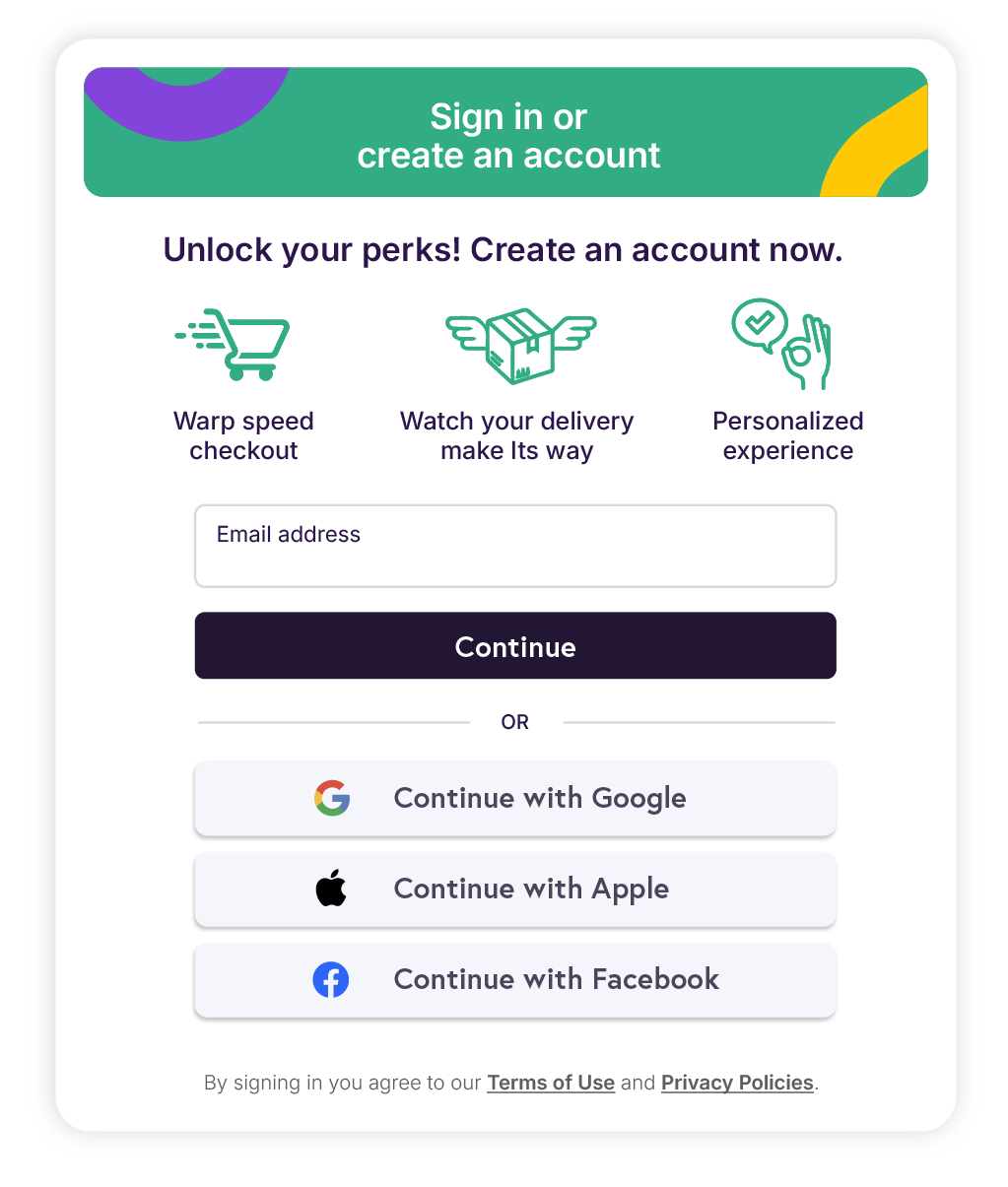
When account opening is easy, retailers see higher enrollment completion and create a stronger foundation for personalization and loyalty.
Verification matters, but it cannot become a bottleneck
Identity verification consistently appears on retail priority lists because it reduces fraud and strengthens trust. The challenge is that verification done poorly feels like punishment to good customers.
The goal is simple: verify when it is necessary and keep it light when it is not.
Effective verification strategies rely on contextual checks based on risk signals, step up only when behavior changes or risk rises, and clear messaging so customers understand what is happening and why. Verification should protect trust without becoming the moment where good customers drop out of the journey.
The hidden conversion killer: Login friction
Most retail initiatives focus on offers, personalization, and new digital features. But the unglamorous truth is this: customers cannot love your digital experience if they cannot access it.
The biggest conversion losses often happen in familiar places:
- Sign up flows that spill into login confusion
- Password rules that feel punitive rather than protective
- Constant MFA prompts that treat good customers like suspects
- Flows that fail silently and push customers into support
When identity is clunky, retailers pay the price in measurable ways. Fewer return visits, higher support costs, and lost revenue from carts abandoned during login or verification are all symptoms of identity friction.
Modern digital identity orchestration for digital commerce tackles this head on by keeping the default experience fast while applying stronger verification only when risk signals warrant it.
When login fails, password reset becomes a revenue leak
If one identity moment deserves special attention, it is account recovery. Password reset often happens in the worst possible moment: when a returning customer is already in the checkout flow and simply needs to access their account to complete a purchase.
Password reset is not just a support issue. It is a revenue issue. Recovery is where conversion and fraud collide. It is high frequency, high friction, and attackers know it.
When customers hit a reset wall, the fallout is immediate. Sessions end early, purchases are delayed or lost, customers disengage, support volume rises, and recovery becomes an attack surface for fraud.
Improving recovery flows is often one of the fastest ways retailers can reduce churn while lowering operational burden.
Rewards and loyalty raise the stakes
Rewards, stored payment methods, profile data, and purchase history make retail accounts valuable targets. Loyalty adds another layer because points and perks can be monetized quickly by attackers.
Many retailers get stuck in a damaging cycle. Fraud spikes from account takeover and automated abuse. Security responds with broader MFA, stricter lockouts, and heavier verification. Customers feel friction during login, recovery, checkout, and rewards redemption. Conversion drops, support tickets rise, and controls are eventually relaxed to protect revenue. Fraud then spikes again, often shifting to recovery and loyalty access.
Retailers do not need to choose between locking everything down and making it easy. They need security that adapts to risk instead of applying friction uniformly.
Passkeys and the move beyond passwords
One way retailers reduce both friction and credential based attacks is by moving beyond passwords.
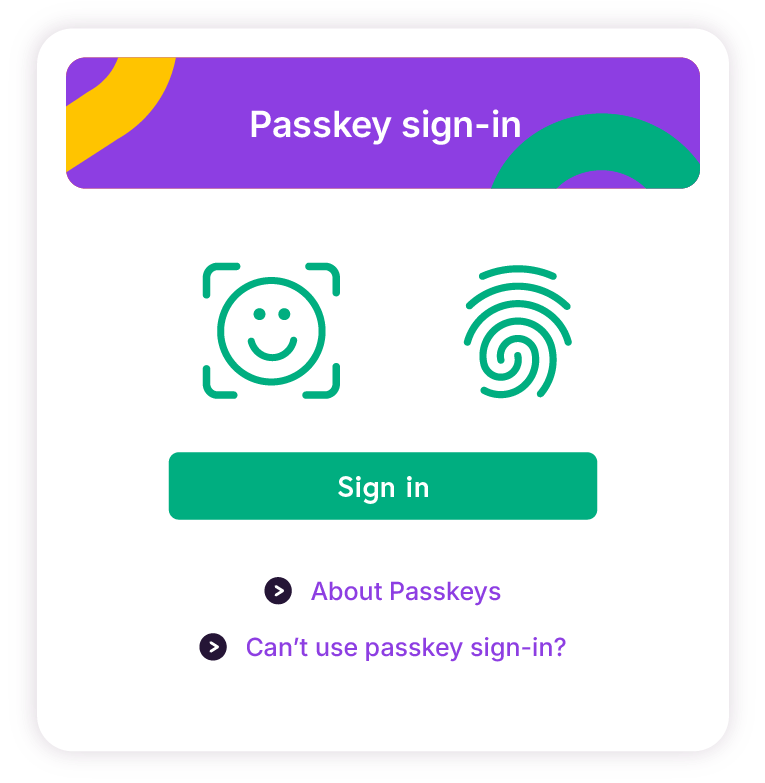
Passkeys are gaining traction because they enable passwordless authentication for digital commerce, removing one of the biggest sources of both security risk and customer frustration. When implemented well, passkeys reduce resets, lower exposure to phishing and credential stuffing, and deliver a smoother experience customers increasingly prefer.
For many retailers, passkeys are becoming the foundation of a passwordless experience for digital commerce accounts, allowing customers to access loyalty, rewards, and checkout flows without managing passwords.
Retailers seeing the best results introduce passkeys as optional first, explain the benefit in plain language, and maintain strong recovery for new devices. Passkeys work best when they are part of a broader identity strategy rather than a one off feature rollout.
Where Strivacity fits
Strivacity helps retailers modernize customer identity across the moments that determine cart conversion, loyalty participation, and fraud outcomes.
Make account opening the front door, not the first hurdle
Progressive registration reduces abandonment and gets more shoppers into accounts sooner, so retailers can deliver loyalty value earlier and earn trust over time.
Protect revenue without slowing down legitimate customers
Passkeys, passwordless authentication, adaptive MFA, and trusted device recognition keep access smooth for returning customers while disrupting bots, credential stuffing and account takeover attempts.
Secure recovery and rewards because that is where fraud shifts next
Risk based verification strengthens password reset and loyalty redemption without turning high value moments into friction traps for legitimate customers.
Move faster than fraud and changing customer expectations
Retailers can use digital identity orchestration for rapid iteration or deeper customization when needed, allowing teams to adapt authentication, verification, and recovery journeys without rebuilding customer flows while keeping security guardrails in place.
Use customer and fraud insights to keep improving after go live
Track sign up and sign in behavior, abandonment, login failures, blocked sessions, and friction trends, then test fraud and security policy changes to find the best performing approach.
Build the identity foundation for AI powered shopping
Strivacity provides high confidence identity, consent management, and digital identity orchestration controls so AI agents can act on behalf of your customers safely, accurately, and with clear authorization.
The result is higher cart conversion, stronger loyalty participation, reduced fraud pressure, and a trusted identity foundation for AI driven shopping.
The account experience is where retail growth is decided
In 2026, retailers are rethinking identity because growth, loyalty, fraud prevention, and AI driven experiences increasingly depend on it.
Many of the biggest opportunities to improve digital commerce performance are not in new features or promotions, but in everyday account interactions such as sign up, login, verification, recovery, and rewards access. When these moments work smoothly, customers move through the journey faster and engage more often. When they do not, sessions end early, checkout is abandoned, and support costs rise.
The brands that win will treat identity as a core part of the digital commerce experience rather than a background system. When account opening is effortless, login is reliable, recovery is fast, and security adapts quietly to risk, customers stay engaged, and trust deepens.
Modern identity infrastructure for digital commerce enables this by combining passwordless authentication, adaptive security, and digital identity orchestration to remove friction while protecting customer accounts.
Retailers that modernize identity now are building a stronger foundation for digital commerce growth well beyond 2026.